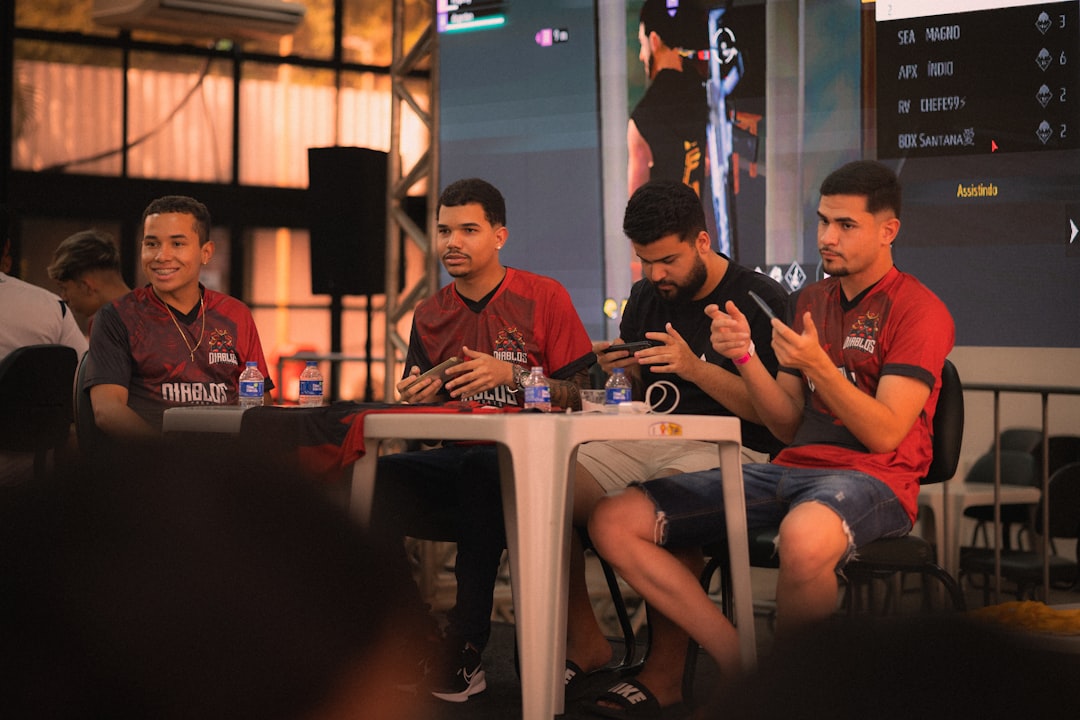
In the ever-evolving landscape of online gaming, creating a thriving community has become just as important as the games themselves. Whether you're managing a small clan or overseeing a massive esports organization, the principles of successful community building remain consistent. Drawing from years of experience and insights from top community managers, this guide will walk you through the essential strategies for cultivating an engaged, loyal, and vibrant gaming community.
Understanding the Foundation
Before diving into tactics and strategies, it's crucial to understand what makes a gaming community successful. At its core, a great gaming community isn't just about numbers—it's about creating meaningful connections between players who share common interests and values.
Key Insight: The most successful gaming communities focus on quality interactions over quantity of members. A thousand engaged members are more valuable than ten thousand silent observers.
Establishing Clear Community Values
Every successful gaming community starts with a clear set of values and guidelines. These serve as the foundation for all interactions and help attract like-minded individuals who will contribute positively to your community.
Define Your Community Identity
What makes your community unique? Are you focused on competitive gameplay, casual fun, educational content, or perhaps a mix of these elements? Clearly defining your community's identity helps potential members understand what to expect and whether your community aligns with their interests.
- Competitive Focus: If your community emphasizes high-level play and tournaments, make this clear from the start
- Casual Environment: For communities prioritizing fun over rankings, establish an atmosphere that welcomes all skill levels
- Learning-Oriented: If education and improvement are your goals, structure your community to support mentorship and skill development
Choosing the Right Platforms
While Discord has become the de facto standard for gaming communities, successful community managers know that platform choice depends on your specific needs and target audience. Consider these factors when selecting your primary communication channels:
Platform Considerations
- Discord: Excellent for real-time communication, voice chat during gaming sessions, and organizing events. Best for communities that value instant interaction
- Forums: Ideal for in-depth discussions, guides, and content that members want to reference later. Perfect for strategy discussions and community archives
- Social Media: Essential for reaching new members and sharing highlights. Twitter, Instagram, and TikTok help expand your community's visibility
- Streaming Platforms: Twitch or YouTube for communities built around content creation and live interaction with audiences
Pro Tip: Don't spread yourself too thin across multiple platforms. Start with one or two that align with your community's needs, then expand as you grow and can dedicate proper resources to managing each platform.
Implementing Effective Moderation
Perhaps no aspect of community management is more critical than moderation. A well-moderated community feels safe, welcoming, and conducive to positive interactions. Poor moderation, on the other hand, can quickly lead to toxicity and member attrition.
Building Your Moderation Team
Your moderators are the backbone of your community. Choose them carefully, looking for individuals who:
- Embody your community's values and can lead by example
- Have excellent communication skills and can de-escalate conflicts
- Show consistent activity and understanding of community dynamics
- Demonstrate fairness and avoid favoritism
- Can make difficult decisions when necessary
Creating Clear Rules and Enforcement
Transparent rules prevent confusion and give moderators clear guidelines for enforcement. Your rule set should cover:
- Acceptable behavior and language standards
- Content sharing guidelines (avoiding spam, self-promotion limits)
- Conflict resolution procedures
- Consequences for rule violations (warnings, temporary bans, permanent bans)
- Appeals process for disputed moderation actions
Creating Engaging Events and Activities
Regular events give members reasons to stay active and engaged with your community. Variety is key—different types of events appeal to different segments of your community.
Event Ideas That Work
Tournaments and Competitions: From weekly tournaments to seasonal championships, competitive events drive engagement and create memorable moments. Ensure fair brackets, clear rules, and attractive prizes or recognition for winners.
Game Nights: Casual gaming sessions where the focus is on fun rather than competition. These events are perfect for building relationships between community members and making newcomers feel welcome.
Educational Workshops: Host training sessions where skilled players teach strategies, share tips, or analyze gameplay. These events add value to membership and help less experienced players improve.
Community Challenges: Set goals or challenges that the community works toward together, fostering collaboration and shared achievement.
Fostering Meaningful Interactions
A community thrives on quality interactions between its members. As a community manager, you can facilitate these connections through thoughtful design and active participation.
Encourage Member Participation
- Ask questions that spark discussions
- Celebrate member achievements, both in-game and personal
- Create channels or spaces for specific interests within your broader community
- Highlight member contributions and valuable content
- Facilitate introductions between members with similar interests
Measuring Success and Adapting
Understanding what works requires tracking the right metrics and being willing to adapt based on data and feedback.
Key Metrics to Monitor
- Active Members: Track daily and weekly active users, not just total membership
- Engagement Rates: Measure participation in events, discussions, and activities
- Member Retention: How many new members become regular participants?
- Content Quality: Are discussions substantive and valuable?
- Satisfaction Surveys: Regular feedback from your community about their experience
Remember: Numbers tell part of the story, but qualitative feedback from your members provides crucial context. Regularly solicit and act on community feedback to show members their voices matter.
Scaling Your Community
As your community grows, your management approach must evolve. What works for 100 members may not work for 10,000. Successful scaling requires planning and flexibility.
Strategies for Growth
Delegate Responsibilities: Create specialized roles for different aspects of community management—event coordinators, content creators, technical support, and regional moderators.
Implement Structure: As communities grow, organization becomes critical. Create subcommunities or channels for different games, regions, or interests to prevent overwhelming members.
Maintain Culture: Your community's core values and atmosphere should remain consistent even as you scale. Document your culture and ensure new moderators and leaders understand and embody it.
Conclusion
Building a thriving gaming community is both an art and a science. It requires dedication, consistency, and genuine care for your members' experience. The strategies outlined here provide a framework, but the most successful communities are those where leaders remain authentic, responsive, and committed to continuous improvement.
Remember that every great gaming community started small. Focus on creating value for your initial members, establish strong foundations, and grow organically. With patience and proper execution of these principles, you can build a gaming community that not only survives but thrives—a place where gamers form lasting friendships, improve their skills, and create memories that extend far beyond the games themselves.
The gaming landscape continues to evolve, but the fundamental human need for connection remains constant. By prioritizing your community's needs and fostering genuine relationships, you create something truly special: a digital home where gamers feel they belong.